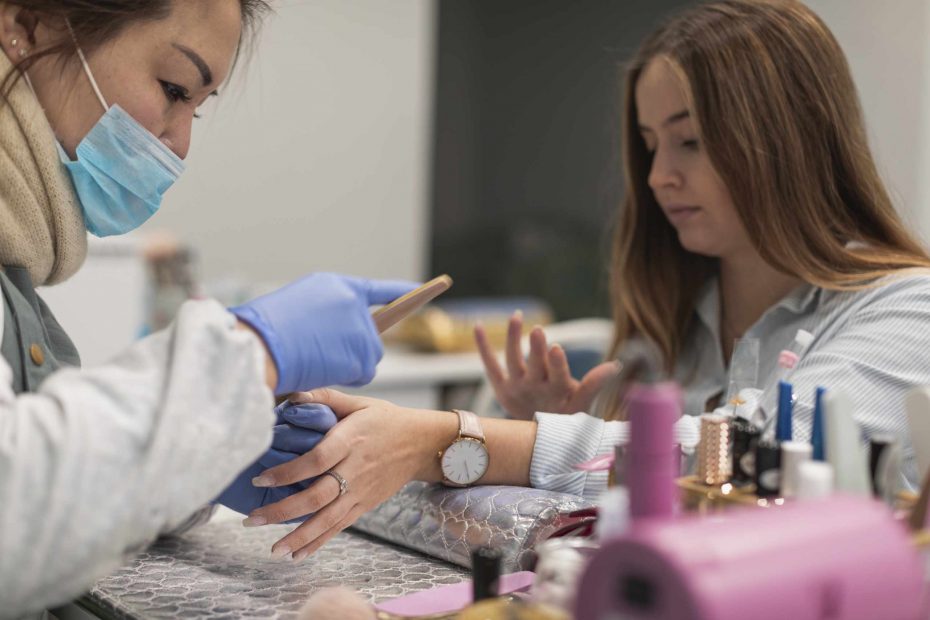
A neat cuticle line can change the whole look of a manicure, even when the color is simple. We see that area near our nail fold because that is where the majority of uneven coloring, flooding, and slips often occur. Take a close look at this area as you start your nail preparation, not as a last step to clean up if the color moves on to the skin.
First, look at if there is enough of a clear nail plate to see around the base. There needs to be enough space for your brush to come near the cuticle line without pushing into the skin itself. Dust, bits of polish from an old manicure, or anything loose around the cuticle line will stick and make an uneven edge with your base coat. Use a lint-free wipe to take up any tiny pieces of dust without bringing loose lint with it.
Be mindful of your pressure, too. Your nail plate can look smoother with an orangewood stick or cuticle pusher before you start, but the movement you use needs to be gentle and steady. You do not need to press too hard to get your manicure looking better, but you may feel the need if you are pressing down too hard. When doing a cosmetic manicure for the very first time, remember there are only three things you need to learn: where the end of your nail plate looks like, where the skin starts, and where the polish should end at.
Before you open your polish, put your hand below a light in the table and rotate each of your fingers from side to side. Look for where one nail looks more covered than the other, if the cuticle line is rounder or flatter, and if you can position your fingers to look directly at the full base of your nail. The majority of polish slips happen when the polish is moved into a part of the nail plate that you cannot see clearly. It may be easier for you to position your finger at this point than it may be to clean up a mistake after the fact.
Another way you can practice is to trace where you would move with polish without actually using any. Hold the polish brush or a separate, clean brush over the nail and move from the center of the nail toward the cuticle line to stop it short of any skin. Repeat near either sidewall to see where you would need to stop your brush. Now, your brush already knows where to stop when you are applying your next layer of base coat or color coat, and you will not need to put so much of the brush on the nail plate near the cuticle line.
Leaving a tiny margin is not a failure. It usually looks cleaner than polish pushed too close to the nail fold. If color gets to the skin, use your cleanup brush while the polish is still wet enough to be moved. A mistake fixed quickly will keep the neat shape of the cuticle line, and you do not want to wait until it is dry and start to push polish around to create a rough edge around the nail. Before you apply another coat, look at that same area and check to see if the space looks clear enough to apply another thin layer.